Regional Variations in No Deposit Offers and Their Impact on Bingo Game Participation Rates
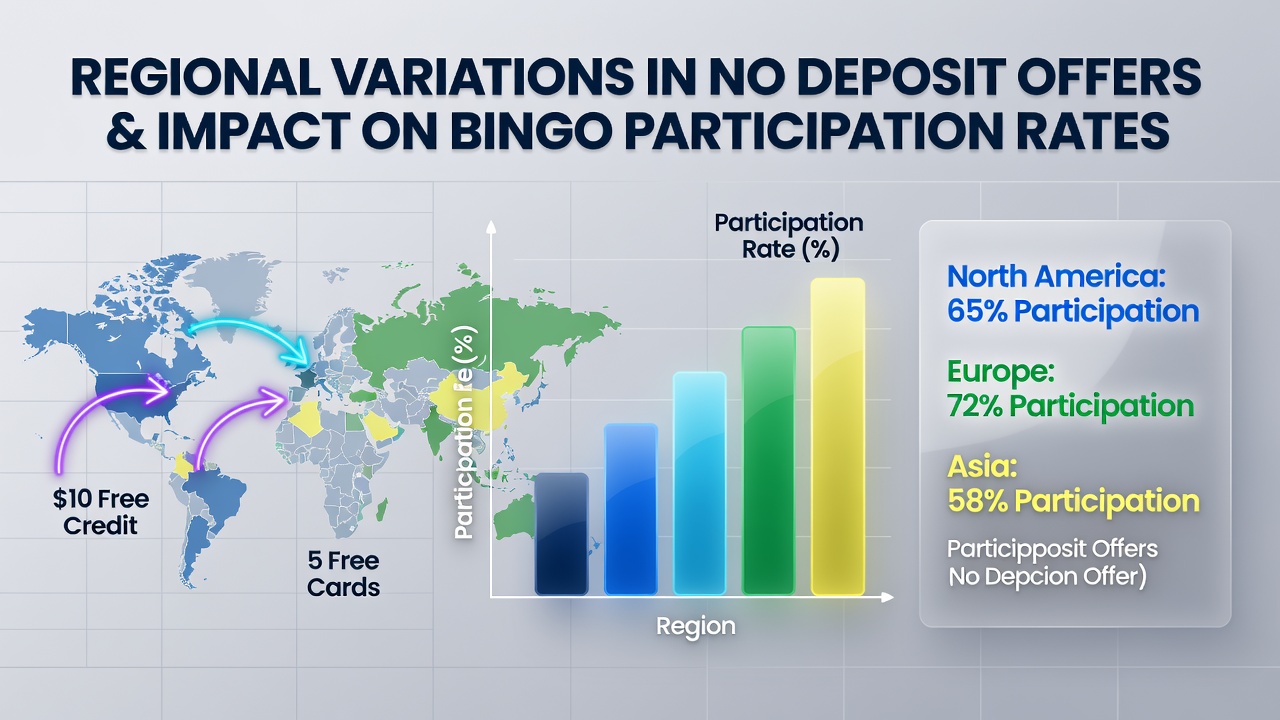
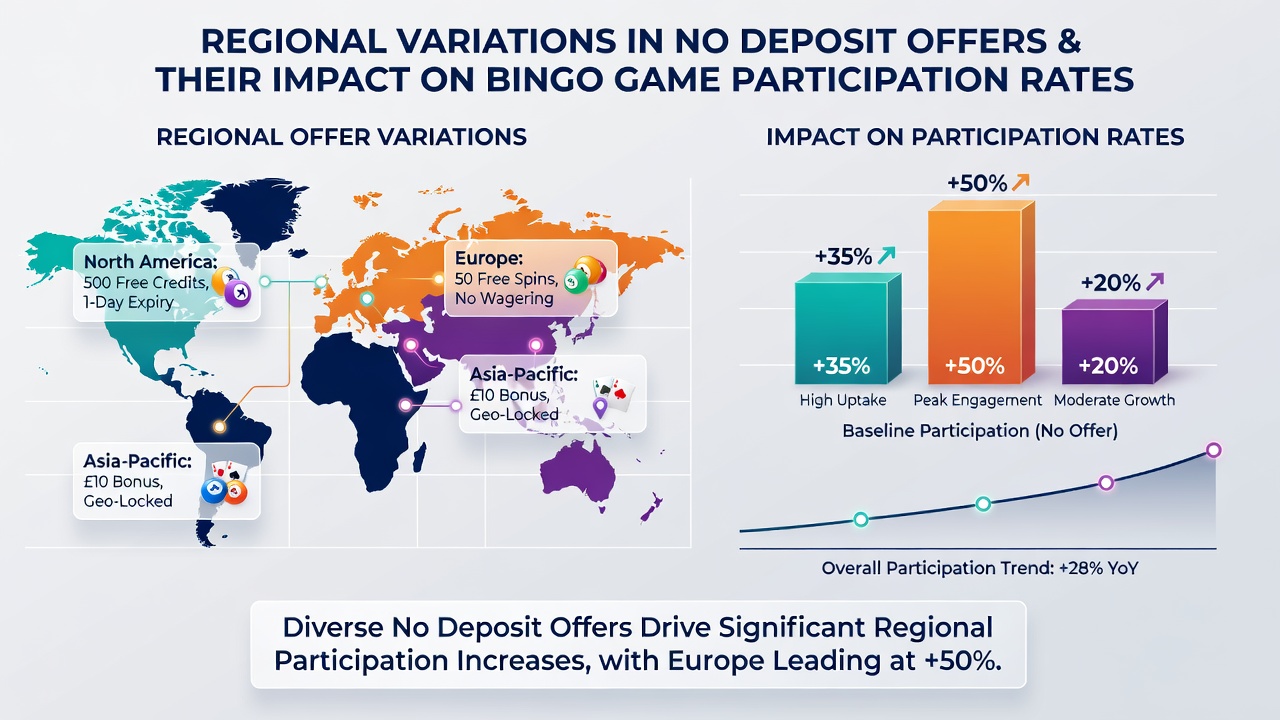
Regional variations in no deposit offers for bingo create distinct patterns in player engagement, and data from multiple jurisdictions shows how these promotions influence participation rates in measurable ways. Operators in different markets adjust bonus structures according to local regulations, and those adjustments correlate with shifts in how often players join games and maintain activity over time. In October 2026, industry reports highlighted continued differences between North American and European markets, where promotional limits and eligibility rules diverge sharply.
Regulatory Frameworks Shape Offer Availability
Regulators in various regions set the boundaries for no deposit offers, and these rules directly affect which promotions reach players. The Alcohol and Gaming Commission of Ontario oversees licensing and bonus disclosures in that province, which means operators must follow strict advertising standards that limit how no deposit credits appear in marketing materials. Meanwhile, Australian state authorities apply their own caps on bonus values and wagering requirements, and those caps lead to smaller average offers compared with some Canadian provinces. Researchers at the University of Nevada Reno have tracked these differences, noting that stricter disclosure rules often coincide with steadier but lower participation spikes after new offers launch.
North American Patterns in Participation
Across Canadian provinces, no deposit offers tied to bingo rooms produce noticeable upticks in registered accounts during promotional windows, while similar offers in certain U.S. states generate more modest increases because of tighter advertising restrictions. Data collected by provincial gaming bodies shows that Ontario players respond to free credit promotions with higher initial session counts than players in jurisdictions where bonuses require account verification steps that span multiple days. In contrast, U.S. tribal gaming operations sometimes bundle no deposit bingo credits with loyalty programs, and those bundles correlate with longer retention periods rather than one-time participation bursts. Observers note that the timing of offer releases matters, because campaigns launched near major holidays tend to draw broader demographic groups into bingo lobbies.
European and Australian Comparisons
European markets outside the United Kingdom display their own set of variations, with several countries requiring operators to publish bonus terms in multiple languages and to cap maximum winnings from no deposit funds. These requirements appear to moderate the speed at which new players convert into regular participants. Australian data from state gaming commissions reveals that no deposit offers limited to AUD 10 or less still drive measurable participation growth when paired with localized bingo variants, yet the growth rate stays below levels recorded in Canadian provinces that permit higher credit amounts. A study published by the Australian Gambling Research Centre found that players in Victoria and New South Wales showed stronger repeat login rates when offers included game-specific free cards rather than generic credits.
Data Trends and Player Behavior
Participation metrics collected over multiple quarters indicate that regions with fewer regulatory hurdles around no deposit promotions experience faster initial sign-up growth, although sustained activity depends on additional factors such as game variety and mobile accessibility. Figures released by the Canadian Gaming Association in late 2026 showed that provinces allowing instant credit activation recorded average session increases of 18 percent in the week following offer deployment, whereas markets requiring manual approval processes saw smaller single-digit gains. Those who've examined cross-border player movement report that some participants seek out jurisdictions with more generous no deposit terms, which creates seasonal fluctuations in local participation numbers.
Impact on Long-Term Engagement
Longer-term data suggests that the structure of no deposit offers influences whether players remain active beyond the first month. Offers that include low wagering thresholds tend to produce higher conversion to paid play, according to records maintained by several North American operators. In regions where regulators cap total bonus value, operators compensate by offering more frequent smaller promotions, and this approach appears to maintain steadier participation curves rather than sharp peaks followed by drops. Academic papers from the University of Nevada Reno further indicate that demographic factors such as age and prior gaming experience interact with regional offer designs, producing different retention outcomes across comparable bonus campaigns.
Conclusion
Regional differences in no deposit offers continue to shape bingo participation rates through regulatory limits, promotional structures, and operator strategies. Evidence from Canadian, Australian, and U.S. sources demonstrates consistent correlations between offer design and player behavior, while October 2026 figures underscore that these patterns remain dynamic as markets adjust to evolving rules. Operators and regulators alike track these metrics to refine approaches that balance player acquisition with compliance requirements across jurisdictions.